
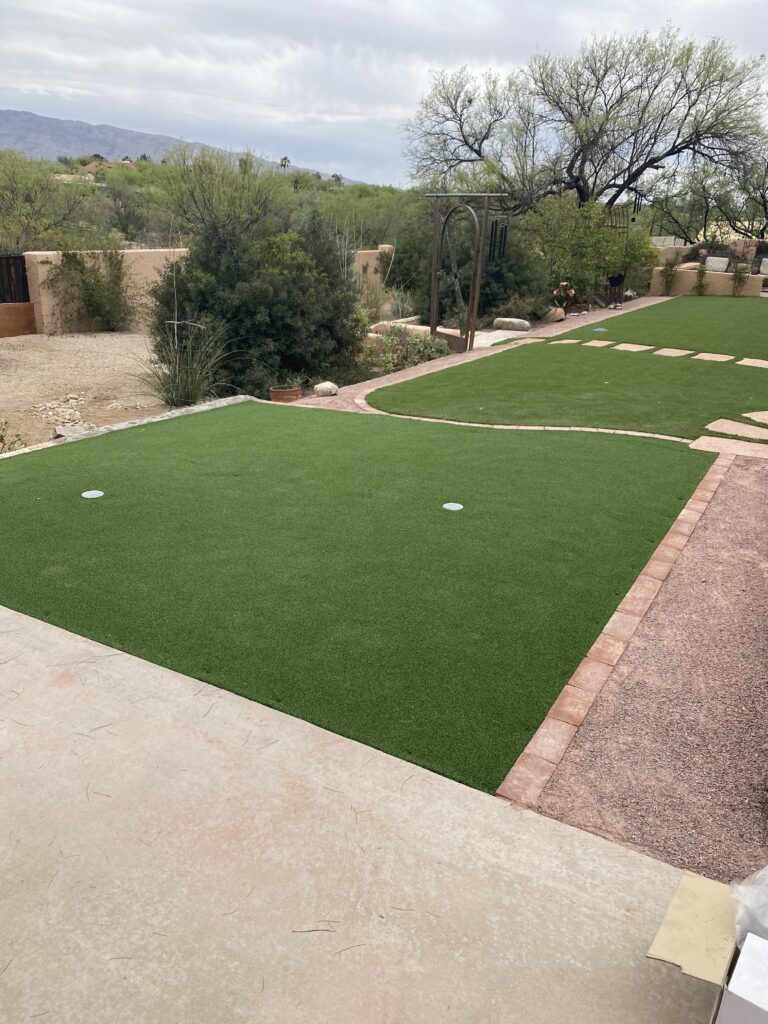
Choosing the right plants is one of the most important decisions when designing a desert yard. Tucson’s extreme heat, limited rainfall, and intense sun mean that not all plants are built to survive long term. This is why successful landscaping tucson projects almost always rely on desert-adapted and drought-tolerant plants.
When you select plants that naturally thrive in this environment, you reduce water usage, maintenance, and replacement costs — while still achieving a clean and attractive outdoor space.
Below are some of the most reliable plant options for desert landscapes in Southern Arizona.
1. Agaves
Agaves are iconic desert plants known for their bold, sculptural form. They require very little water, thrive in full sun, and add strong visual structure to any landscape design. Agaves work especially well in modern yards, rock gardens, and accent areas.
2. Texas Ranger (Leucophyllum)
Texas Ranger is a popular desert shrub with silvery foliage and vibrant purple blooms that appear after rainfall. It’s extremely drought-tolerant and ideal for hedges, borders, or standalone accents. Get it from Our shop!
3. Lantana
Lantanas provide long-lasting color with minimal effort. Available in multiple bright shades, they handle heat exceptionally well and attract pollinators like butterflies and hummingbirds.
4. Bougainvillea
For homeowners looking to add bold color, bougainvillea is a strong choice. Once established, it requires little water and performs well in full sun. It’s commonly used on walls, fences, or trellises to add vertical interest.
5. Mexican Post Cactus
This tall, columnar cactus adds height and a clean architectural look to desert landscapes. Mexican Post Cactus thrives in hot, dry conditions and works well in modern or minimalist designs.
6. Golden Barrel Cactus
Golden Barrel cactus is a classic desert accent plant. Its round shape and golden spines add texture and contrast, making it ideal for rock gardens and focal points.
7. Rosemary
Rosemary is both functional and decorative. It thrives in desert climates, adds greenery year-round, and works well as ground cover, borders, or accent planting — all while being drought-tolerant once established.
8. Orange / Yellow Bell (Tecoma stans)
Known for its bright trumpet-shaped flowers, Orange and Yellow Bell plants bring vibrant color to desert yards. They grow well in full sun and require minimal maintenance.
Why Desert-Adapted Plants Matter
Using plants suited to the local environment leads to healthier landscapes with less effort. The University of Arizona Cooperative Extension provides extensive guidance on desert plant selection and water-efficient landscaping practices, making it a valuable resource for homeowners planning outdoor projects:
👉 https://extension.arizona.edu/
Selecting the right plants also makes it easier to integrate irrigation systems, hardscaping, and lighting without ongoing adjustments.
Planning Your Plant Layout the Right Way
Plant placement matters just as much as plant selection. Spacing, sun exposure, and soil preparation all affect long-term success. Many homeowners while checking for landscaping tucson explore available plant options and materials while browsing professional landscaping services or curated product selections before finalizing a design.
Understanding how plants work together within a landscaping tucson helps prevent overcrowding and ensures each plant has room to grow and thrive.
Final Thoughts
Desert landscaping tucson doesn’t have to be complicated. By choosing proven, climate-appropriate plants, homeowners can create outdoor spaces that look great year-round without excessive water use or maintenance. Get The Best landscaping tucson
Whether you’re updating a small section of your yard or planning a full redesign, starting with the right plants is one of the smartest decisions you can make.
If you’d like to explore plant options or learn more about how they fit into the landscaping tucson a complete landscaping tucson plan, you can review available services, browse curated products, or reach out directly for guidance through the site’s main pages: